Peripheral neuropathy patients we see here at LaserTech almost always started their treatment journey with a prescription medication. Gabapentin (also sold as Neurontin), Pregabalin (Lyrica), or Duloxetine are among the most commonly prescribed medications for nerve pain, and for good reason. They can take the edge off symptoms for some people, at least for a while.
But if you’re reading this, you’ve probably noticed something frustrating…the medication helps a little, or helped at first, and now it doesn’t seem to be doing much. Or the side effects have become a problem of their own. Or your symptoms are still progressing, even with the prescriptions.
You’re not imagining it. And you’re not alone. We hear this story over and over here at LaserTech. Here’s what’s actually happening, and why a different approach may be worth considering.
What Neuropathy Medications Actually Do
Gabapentin and Lyrica belong to a class of drugs that work by dampening nerve signal activity in the brain and spinal cord. In simple terms, they reduce the volume on the pain signals your damaged nerves are sending. Duloxetine works similarly through a different pathway, affecting the brain’s processing of pain signals.
These medications don’t repair nerve damage. They don’t improve circulation to the affected areas. They don’t address whatever underlying dysfunction is causing your nerves to misfire in the first place.
Think of it this way, if the wiring in your home was damaged and causing problems, taking a medication that makes you less aware of the flickering lights doesn’t fix the wiring. The problem is still there. In many cases, it’s still getting worse.
That’s a meaningful distinction, because peripheral neuropathy is a progressive condition. Without addressing the root cause, symptoms tend to worsen over time regardless of how well the medication is managing them in the short term.
The Side Effect Problem
For a lot of patients, the medication conversation doesn’t end with “it’s not working.” It ends with a growing list of side effects that require their own management.
Common side effects of Gabapentin and Lyrica include dizziness, fatigue, cognitive fog (often described as feeling mentally sluggish or “foggy”), weight gain, and balance issues. That last one is particularly concerning for neuropathy patients, who often already struggle with balance and coordination due to the nerve dysfunction itself.
Duloxetine carries its own set of potential side effects including nausea, sleep disruption, and dependency concerns with long-term use.
The result for a lot of patients is a cycle: one medication to manage nerve pain, another to manage the side effects of that medication, and a growing sense that none of it is actually moving things in the right direction.
Why Neuropathy Is More Complex Than One Prescription Can Address
One of the reasons medication-only approaches fall short is that peripheral neuropathy isn’t one single condition. There are many different types, each with different underlying causes, and what drives one person’s symptoms may be completely different from what’s driving another’s.
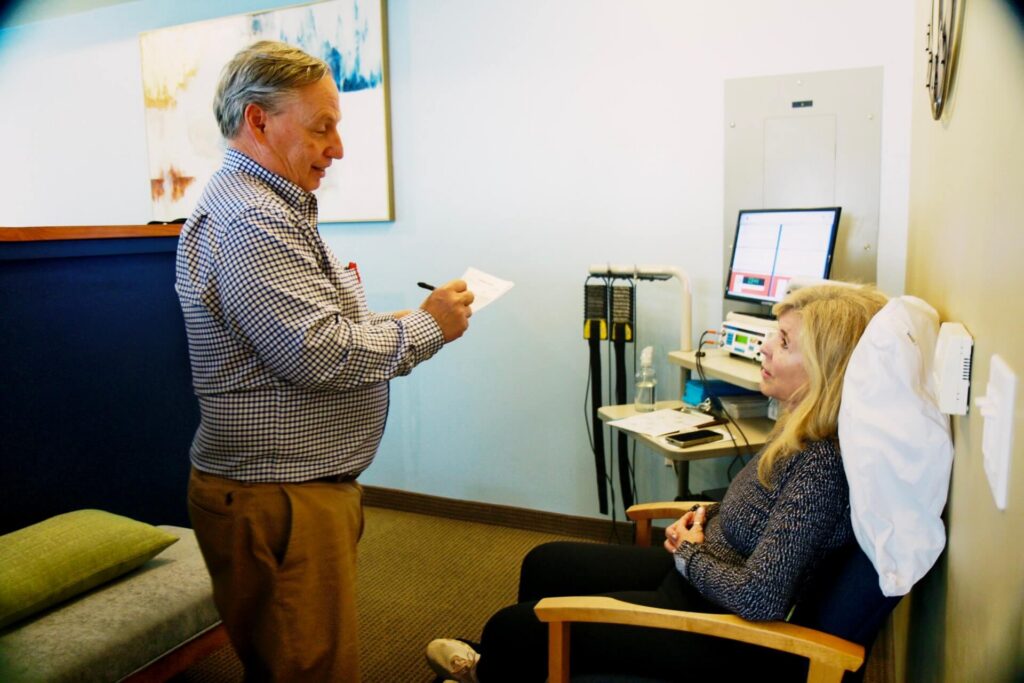
At LaserTech Pain and Back Relief Center, Dr. Zimmerman has spent years developing a framework for understanding neuropathy based on its root causes. In his clinical experience, most cases fall into a few broad categories.
Some neuropathy, particularly in people with diabetes, is primarily driven by circulation deficiencies. When circulation is compromised, the small blood vessels that supply the nerves in the feet and hands can’t deliver adequate oxygen and nutrients, leading to nerve damage and dysfunction over time.
Other cases, often classified as idiopathic neuropathy (meaning no clear cause has been identified), involve a combination of actual nerve damage and abnormal nerve transmission. The nerves aren’t just hurting because of poor circulation. They’re structurally damaged and misfiring in how they communicate with the brain.
A medication that blocks pain signals addresses neither of these underlying problems. It simply turns down the volume without doing anything about what’s causing the noise.
What Addressing the Root Cause Actually Looks Like
Because different types of neuropathy have different root causes, effective treatment needs to be tailored accordingly. At LaserTech, that starts with understanding which type of neuropathy a patient actually has before designing a care plan.
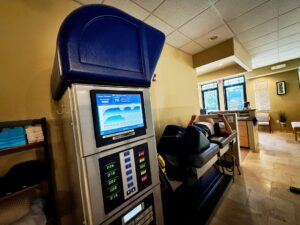
For patients whose neuropathy is primarily circulation-driven, treatment focuses on improving blood flow and nutrient delivery to the affected nerves using targeted physiotherapy technologies including our computerized multi-laser system, which supports circulation and tissue healing at a cellular level.
For patients with idiopathic neuropathy involving nerve damage and abnormal transmission, treatment targets the nerve tissue itself, working to support repair and retrain how the nerves communicate. This may include the Electronic Nerve Biomodulator, a technology specifically designed to support healthier nerve function, alongside other supportive modalities.
Many patients also benefit from Additive Care options including nutritional and inflammation-based support, functional rehabilitation, and neurological and pain therapy approaches that address contributing factors beyond the nerve itself.
The goal throughout is not to mask what your nerves are telling you. It’s to give your nervous system what it needs to actually function better.
What Patients Say About Making the Switch
The pattern Dr. Zimmerman sees regularly is patients who arrive having already tried one or more of these medications, sometimes for years, and who are finally experiencing meaningful improvement once the underlying causes are addressed directly.
Margaret H., a LaserTech patient, described trying TENS units, physical therapy, and multiple medical specialists before finding relief. After treatment at LaserTec, she reported roughly an 85% decrease in neuropathy symptoms, including being able to wiggle her toes for the first time in years and no longer experiencing constant burning pain.
Brian M. shared that after a few treatments at LaserTech, he was able to stop his neuropathy prescription entirely, with his feet feeling normal and pain-free for six months and counting.
Cherie K. came in while taking both Duloxetine and Pregabalin. After six weeks of treatment at LaserTech, she no longer needed either medication and described having very little pain remaining.
These outcomes aren’t typical for every patient, and results vary depending on the type and severity of neuropathy involved. But they reflect what becomes possible when treatment targets the cause rather than just the symptom.

Non-Invasive Neuropathy Relief in Scottsdale
If you’ve been on neuropathy medications for months or years without the relief you were hoping for, it’s worth asking whether the approach itself is the issue. Medications have a role, but for many patients they represent only part of what’s needed, and for others they haven’t been enough on their own.
Dr. Zimmerman offers a free consultation for new neuropathy patients. During that visit, he works to identify the specific type of neuropathy you’re dealing with and whether the physiotherapy modalities and technologies at LaserTech are a good fit for your situation. There’s no commitment involved, just a chance to understand your condition more fully and explore whether a different approach might get you further.

LaserTech Pain and Back Relief Center serves patients throughout Scottsdale, Phoenix, and the surrounding East Valley. Dr. Zimmerman offers non-invasive, drug-free care for peripheral neuropathy, diabetic neuropathy, idiopathic neuropathy, and a wide range of chronic pain conditions.