
Diagnostics Imaging & Movement Evaluation for Chronic Pain in Scottsdale
A Detailed Look at What’s Causing Your Pain
Before choosing the right treatment, it’s important to understand what’s actually driving your symptoms.
At LaserTech, we use a combination of diagnostic imaging review and movement-based evaluation to better understand how your body is functioning and where things may be breaking down. This process helps guide decisions about care, whether that includes chiropractic treatment, functional rehabilitation, or one of our pain-relieving technologies.
Why Evaluation Matters for treating Chronic Back Pain and More
Pain doesn’t always come from a single source. It can be influenced by joint mechanics, muscle function, nerve irritation, and movement patterns.
A more complete evaluation helps identify:
Where the problem is coming from
What’s contributing to it
How your body is compensating
This allows your care plan to be more targeted and efficient without guesswork.
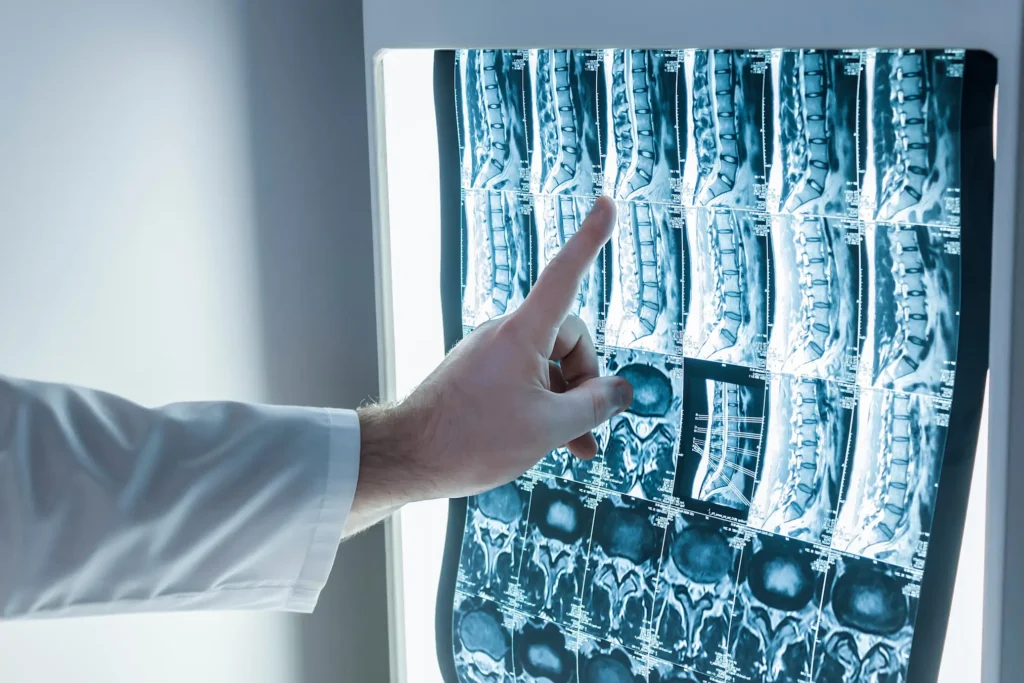
Imaging Review & Interpretation (X-Ray & MRI)
If you’ve had imaging done, it’s not always fully explained in a way that connects to your symptoms.
Dr. Z reviews X-rays and MRIs to better understand structural factors that may be contributing to conditions like:
For patients who need imaging, LaserTech also offers in-office digital X-rays, making it easier to get answers without being sent to another facility. This allows your evaluation and care planning to happen more efficiently and keeps everything in one place.
This information helps guide decisions about care options, which may include spinal decompression or other supportive therapies depending on your needs.
Comprehensive Biomechanical Analysis
How your body moves plays a major role in both pain and recovery. This is especially helpful for patients dealing with knee pain, shoulder pain, or recurring injuries, where poor movement mechanics often play a role. Findings from this evaluation are often used to guide your treatment plan.
A biomechanical analysis looks at:
Posture
Joint movement
Muscle balance
Movement patterns
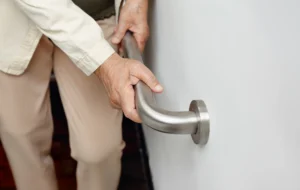
Fall Risk Assessment & Prevention
Balance, coordination, and strength all play a role in reducing fall risk, especially as we age or recover from injury. Based on your results, your care plan may include a combination of movement-based care, hands-on treatment, and supportive therapies to help improve stability and confidence.
This assessment looks at:
Stability and balance
Gait (how you walk)
Strength and coordination
Orthopedic & Functional Movement Evaluation
Orthopedic testing and movement evaluation help identify how specific joints and tissues are functioning.
This may include:
Joint-specific testing
Range of motion assessment
Movement screening
These evaluations are often used for conditions like:
For example, a patient with neuropathy may benefit from a combination of neurological approaches and ENB, while someone with chronic headaches may need a different mix of care focused on muscle tension, posture, and movement patterns.
Start With a Free Consultation
If you’re dealing with ongoing pain or not getting clear answers from previous evaluations, a more detailed look at how your body is functioning may help.
We’ll start with a consultation, review any existing imaging, and perform the appropriate evaluations to better understand your condition and determine next steps.