Hands-On Care to Support Chronic and Back Pain Relief for Better Movement
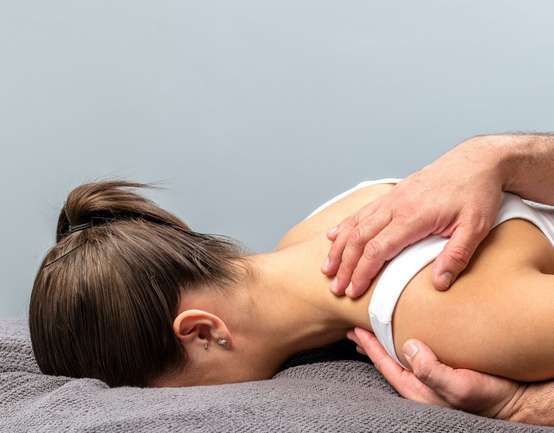
While technology plays an important role in care, hands-on treatment is a key part of helping the body move and feel better. At LaserTech, we use a range of manual and soft tissue therapy approaches to address muscle tension, movement restrictions, and areas of irritation that contribute to pain.
These methods are commonly used alongside our physiotherapy modalities and pain-relieving technologies, as well as functional rehabilitation, to support more complete, individualized care.
Why Soft Tissue Work Matters for Chronic Pain Relief
Muscles, fascia, and connective tissue play a major role in how your body moves and responds to stress. When these tissues become tight, overactive, or inhibited, they can contribute to:
Joint restriction
Nerve irritation
Poor movement patterns
Ongoing pain
Hands-on care helps improve tissue quality, restore more normal movement, and create better conditions for healing.
Reduce Muscle Tension with Myofascial (Fascial) Rehabilitation
Fascia is the connective tissue that surrounds and supports muscles throughout the body. When fascia becomes restricted, it can limit movement and contribute to pain in areas like the back, shoulders, and hips. This approach pairs well with functional rehabilitation to help maintain improvements over time.
Myofascial techniques are used to:
Improve tissue mobility
Reduce tension
Support better movement patterns
Trigger Point Therapy
Trigger points are tight, sensitive areas within muscle that can refer pain to other parts of the body. Targeted trigger point work helps reduce muscle tension and can improve comfort and range of motion.
Support Your Joints with Muscle Activation Techniques
Sometimes the issue isn’t just tight muscles. It’s muscles that aren’t activating properly.
Muscle activation techniques focus on:
Improving muscle engagement
Supporting joint stability
Restoring balanced movement
This is especially useful in recovery from injuries and is often integrated with functional rehabilitation programs.
Soft Tissue Mobilization & Inhibition Techniques
These hands-on methods are used to address areas of restriction, overactivity, or compensation in the body. This type of care is often used in combination with our pain-relieving technologies, such as cold laser therapy or shockwave therapy, to support better outcomes.
They can help:
Decrease muscle guarding
Improve circulation
Restore more normal movement
Percussion Therapy & Targeted Bodywork
Percussion therapy uses rapid, controlled pulses to stimulate muscles and soft tissue. This approach is often used as part of a broader care plan that may also include spinal decompression or other supportive therapies, depending on your needs.
It can be helpful for:
Muscle tightness
Recovery after activity
Improving blood flow
How This Fits Into Your Care Plan
Manual and soft tissue therapies are not one-size-fits-all. They’re used strategically based on your condition, symptoms, and goals.
Your plan may include a combination of:
Hands-on soft tissue work
Chiropractic care
Physiotherapy modalities and technologies
Movement-based rehabilitation
For example, someone with sciatica or a herniated disc may benefit from a combination of spinal decompression, soft tissue work, and guided movement. Someone dealing with headaches or shoulder pain may need a different mix of care focused on muscle tension, posture, and nerve sensitivity.
Move Better. Feel Stronger. Stay Active.
If you’re dealing with ongoing muscle tightness, movement limitations, or pain that hasn’t fully responded to other treatments, this type of hands-on care may be a helpful addition.
We’ll start with a consultation to understand your symptoms, evaluate how your body is moving, and determine which combination of therapies may be appropriate for you.