Why Gabapentin and Lyrica Aren’t Fixing Your Neuropathy
Peripheral neuropathy patients we see here at LaserTech almost always started their treatment journey with a prescription medication. Gabapentin
Herniated disc and sciatica…you’ve probably heard these two terms come up repeatedly if you have low back pain. For a lot of our patients here at LaserTech, these two conditions are the same problem, described from different angles. The herniated disc is the source. The sciatica is what you feel because of it.
At LaserTech Pain and Back Relief Center in Scottsdale, we focus on treating both together, addressing the disc dysfunction that’s irritating the nerve rather than simply managing the symptoms that result. For patients who have been told surgery is their only option, or who have tried injections and medications without lasting relief, our non-invasive approach offers a different path forward.
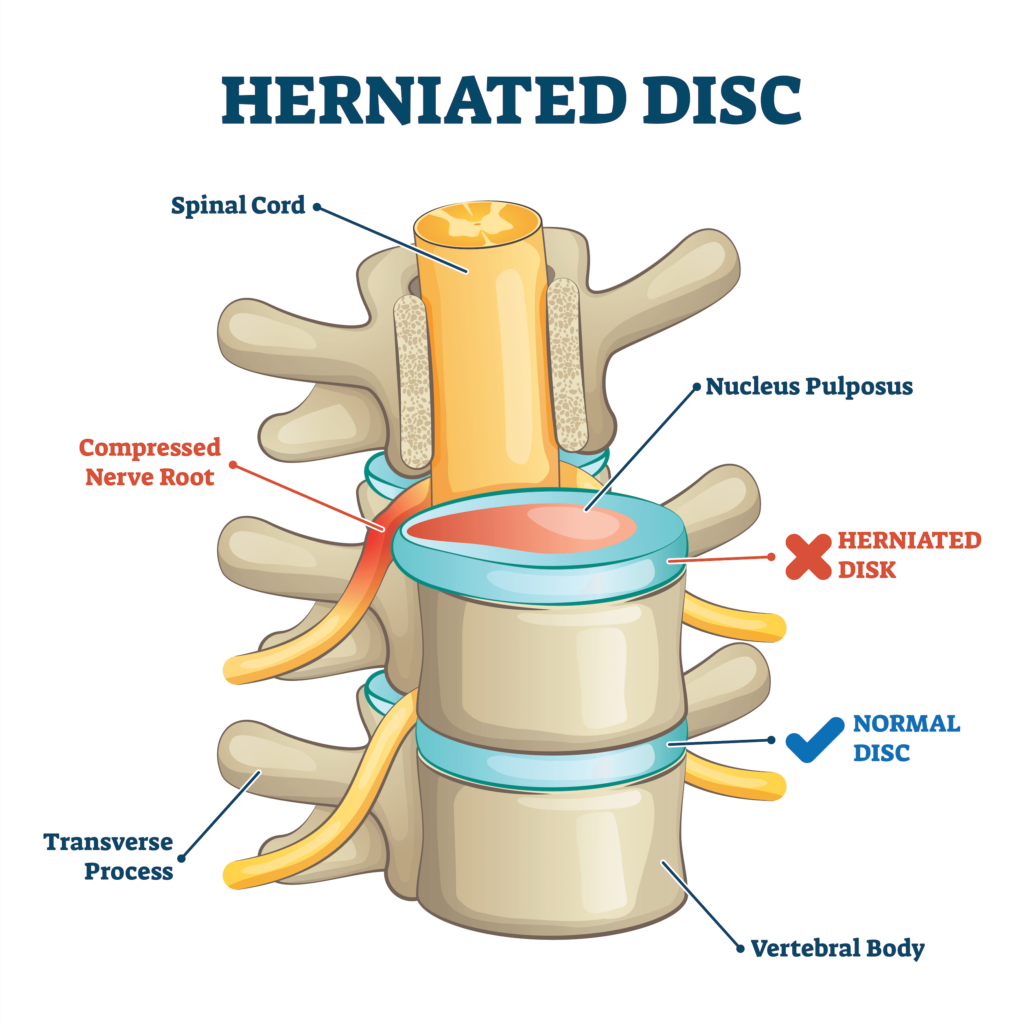
Your spine is made up of vertebrae stacked on top of each other, with soft, cushion-like discs sitting between each one. Those discs absorb impact and allow your spine to move freely. When a disc herniates, its soft inner material pushes outward through its outer casing, often pressing directly against the nearby nerve roots that run through the spinal canal.
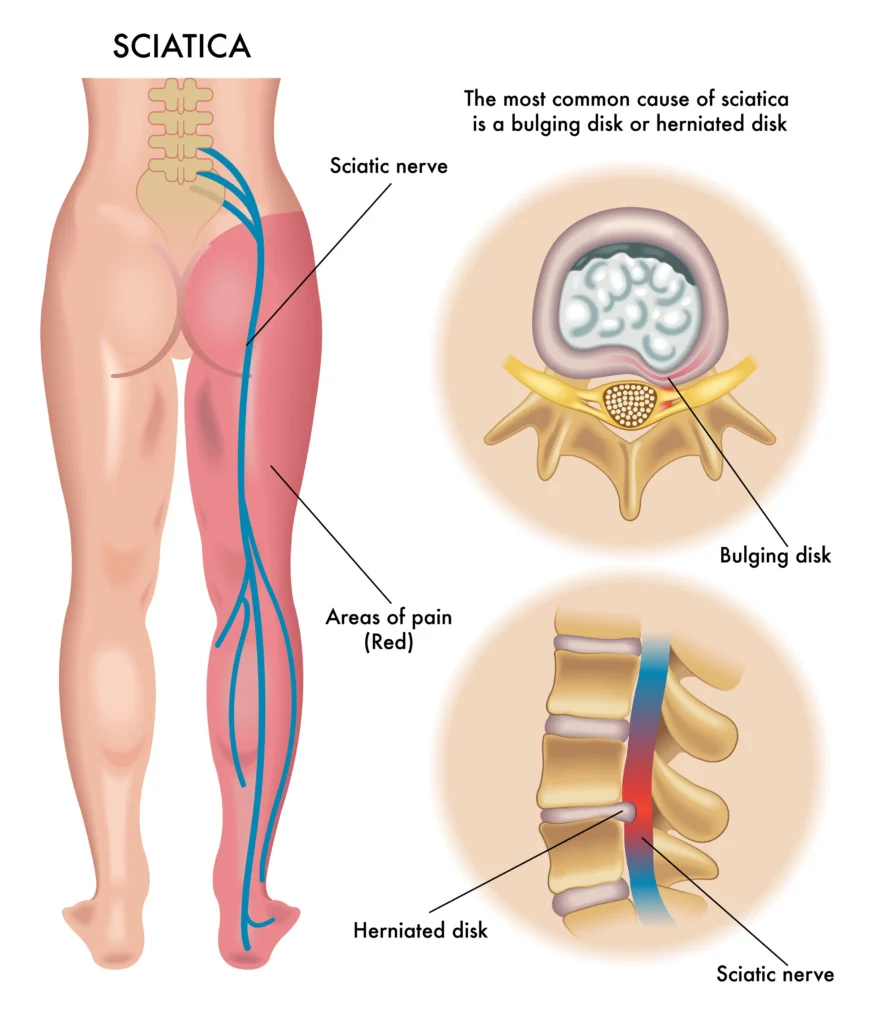
The sciatic nerve is the largest nerve in the body. It originates from several nerve roots in the lower lumbar spine and runs through the buttock, down the back of the leg, and into the foot. When a herniated disc in the lower back puts pressure on one of those nerve roots, the result is the radiating pain, numbness, tingling, and weakness that most people recognize as sciatica.
This is why treating sciatica without addressing the disc often provides only temporary relief. The nerve irritation keeps returning because the source of the pressure is still there.
The symptoms of disc-related sciatica can vary depending on which disc is affected and how much nerve pressure is involved. Common signs include:
In more advanced cases, prolonged nerve compression can cause significant weakness in the extremities. If you experience any loss of bowel or bladder control, that requires prompt medical evaluation.
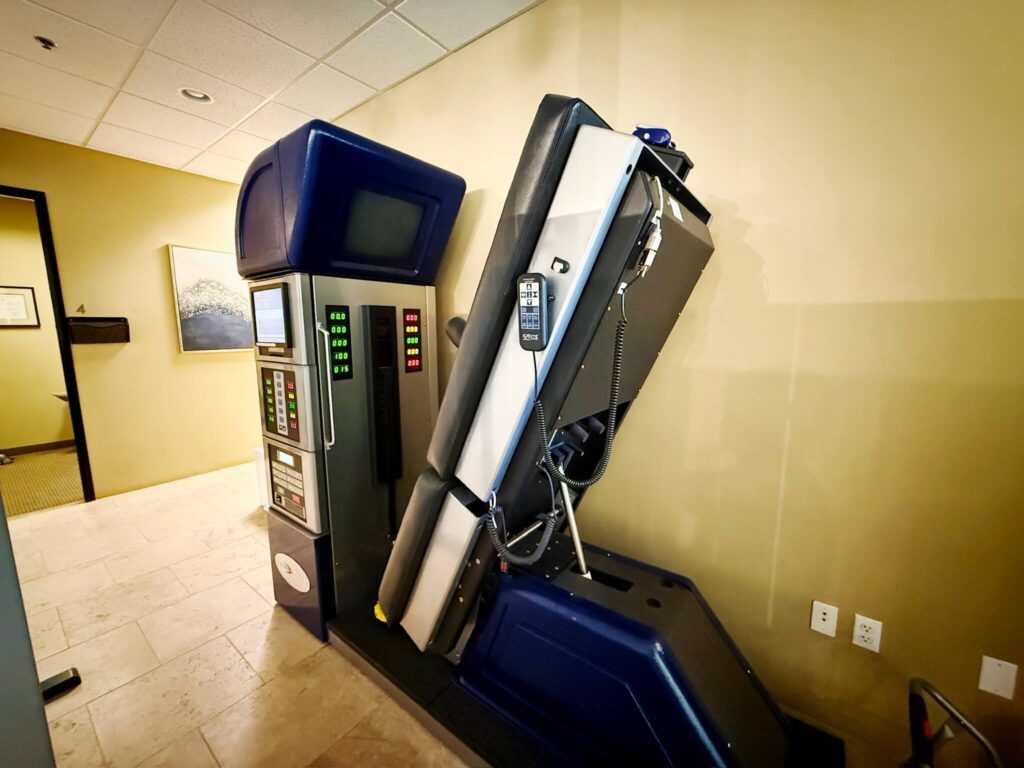
The DRX9000 is a non-surgical spinal decompression technology that applies gentle, targeted decompressive force to the affected disc. The goal is to create negative pressure within the disc space, encouraging the herniated material to retract away from the nerve root. For many patients, this is the core of their treatment plan and a key reason they are able to avoid surgery.
Sciatica has a few different underlying causes, and distinguishing between them matters for treatment. Herniated or bulging discs are the most common driver, but spinal stenosis (narrowing of the spinal canal) and piriformis syndrome (irritation of the piriformis muscle in the buttock) can produce similar radiating symptoms through different mechanisms.
One useful distinction: sciatica caused by a herniated disc typically travels away from the spine and down the extremities, and tends to worsen with sitting, bending, and forward flexion. Spinal stenosis-related sciatica, by contrast, often worsens with standing and walking and may ease when leaning forward or sitting.
Getting an accurate picture of what’s actually driving your symptoms is a foundational part of how Dr. Zimmerman approaches care at LaserTech. Treatment that’s matched to the correct cause consistently produces better, more lasting results.
Our approach centers on addressing the disc condition itself, not just the nerve pain it produces. Depending on your specific presentation and how your body responds to care, treatment may include:
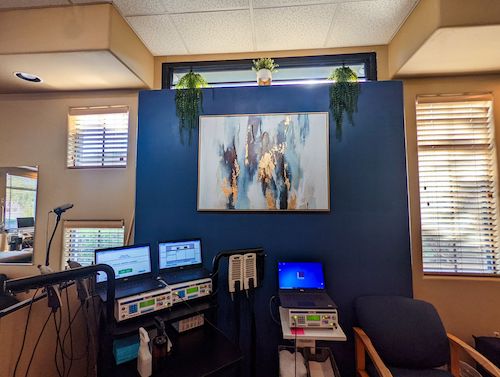
Our cold laser therapy system delivers targeted light energy to the affected tissues, working to reduce inflammation around the irritated nerve, support tissue repair, and improve circulation to the area.
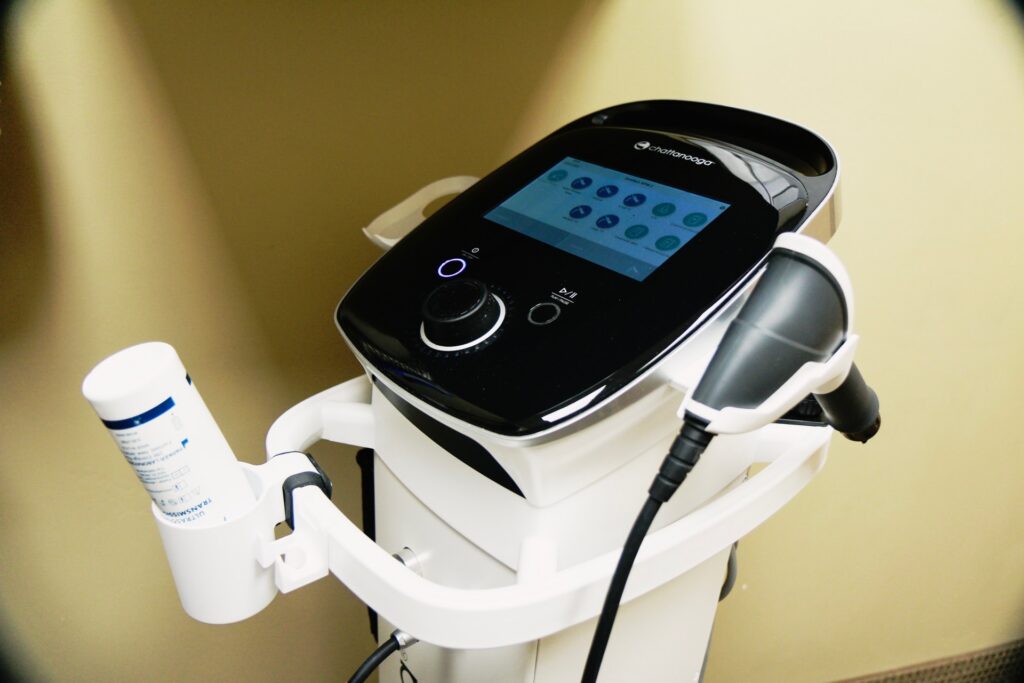
Radial pressure shockwave therapy technology can be used to stimulate the body’s natural healing response in the surrounding soft tissues, particularly helpful for patients dealing with muscle spasm, chronic tension, or secondary soft tissue involvement alongside their disc condition.
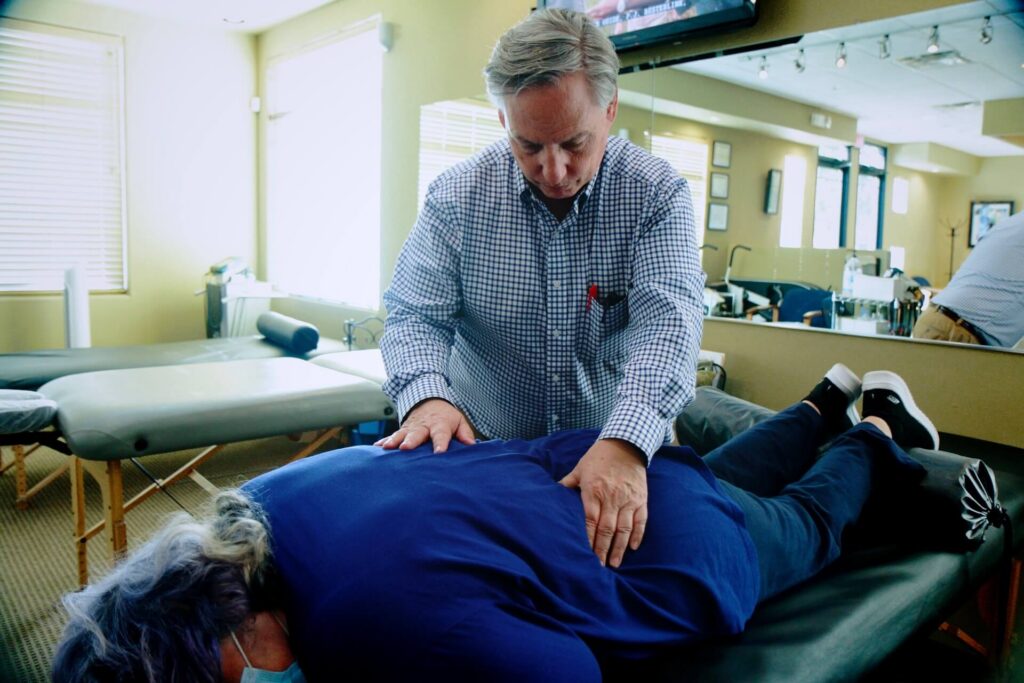
Many patients benefit from a more comprehensive plan that incorporates functional rehabilitation to rebuild core strength and spinal stability, manual soft tissue therapy to address muscle imbalances and tension patterns that place additional stress on the spine, and nutritional and inflammation-based support to help the body heal more effectively.
Many of our patients arrive having already tried other treatments — epidural injections, chiropractic care, pain medications, or standard physiotherapy — without the lasting relief they were hoping for. A number of them had been told by other providers that surgery was their only remaining option.
If lower back pain or sciatica has been limiting your life, and especially if you’ve been told surgery is your next step, we’d encourage you to come in and talk with Dr. Zimmerman first. The consultation is free, there’s no obligation, and it gives you a clear picture of what’s driving your symptoms and what non-invasive options may be available to you.
Clicl or call to schedule your free consultation today.
With more than 30 years of experience treating chronic and complex pain conditions, Dr. Zimmerman has dedicated his career to helping patients find relief when other treatments have failed. His expertise includes conditions such as sciatica, neuropathy, herniated discs, spinal stenosis, arthritis, and chronic nerve-related pain. Dr. Z combines advanced, non-invasive therapies with a whole-body approach focused on reducing inflammation, improving nervous system function, restoring movement, and addressing the underlying causes of pain, not just masking symptoms. He is also the author of Unlocking the Chronic Pain Code, where he shares his approach to long-term pain relief and functional recovery. [Read Dr. Z’s full bio here.]
Can a herniated disc heal without surgery? In many cases, yes. The disc material can retract over time, and non-surgical treatments like spinal decompression can actively support that process. Surgery becomes necessary when nerve compression is severe, prolonged, or causing significant functional loss — but many patients who are told they need surgery find meaningful relief through non-invasive care first.
How do I know if my sciatica is caused by a herniated disc? An MRI is the most reliable way to confirm a herniated disc, though a thorough clinical examination and patient history can provide strong indicators. Dr. Zimmerman reviews available imaging and conducts a detailed evaluation during the free consultation to help determine the likely source of your symptoms.
How long does treatment take? This varies depending on the severity and duration of the condition. Some patients notice improvement within the first several treatments. Others, particularly those with long-standing disc degeneration, require a longer course of care. Dr. Zimmerman outlines a realistic treatment timeline during the initial consultation.
Is spinal decompression painful? Most patients find DRX9000 spinal decompression comfortable. The traction is applied gradually and precisely, and many patients actually find sessions relaxing.
What if I’ve already had a spinal injection or surgery? Each case is evaluated individually. Prior injections or surgery do not automatically disqualify a patient from care. Dr. Zimmerman will review your history during the consultation and let you know whether our physiotherapy modalities and technologies are appropriate for your situation.

Peripheral neuropathy patients we see here at LaserTech almost always started their treatment journey with a prescription medication. Gabapentin

Sciatica has a way of making people wait. The pain flares up, you rest for a few days, it

Scottsdale and Phoenix area residents know that Arizona summers are brutal. Triple-digit temperatures, intense sun, and the kind of